
Indonesian Bay (Serai Kayu): Nature’s gift
English Name: Indonesian Bay
Malay Name: Serai Kayu
Scientific Name : Syzygium polyanthum
This tree is well suited to be grown in Malaysian with our tropical  weather. It can group over 5m tall but you can manage the height by pruning it throughout its life span. Once establish, it doesn’t need to be watered as with our climate, it can survive with just our normal rainfalls. It is a relatively fast grower and its branches spreads out making it a nice tree for providing some shade once it grows tall. However, as I use a good amount of the leaves, I keep the height growth controlled as I prune it about every 3 months or so. With good soil, it doesn’t require any fertilizers though as a normal practice at the farm, we fertilize them twice a year
The main purpose of these tree is for the leaves. The leaves can be either eaten fresh or most often, the older leaves are dried. The dried leaves are often used as a flavoring or taste enhancer in many dishes all over the world. It can be used in soups and sauces as well as a herb for roasting various proteins like chicken and beef. You can also turn the dried leaves into a tea – I tend to crush the leaves first before making my tea.
Many studies have been performed on the therapeutical benefits of the leaves. It is well known that high blood pressure is considered the “silent killer”. One study done headed by our local researcher at Dr. Wan Amir Nizam of the Health Science Medical Laboratory, Universiti Sains Malaysia (USM), Kelantan, found that there was a lower rate of high blood pressure amongst a group of Kelantanese who consumed it daily as ulam. He also found that for people who had high blood pressure, they only had to take low doses of high blood pressure medication. The lab studies done on 2 types of rats, one with normally high blood pressure and one species that had normal high blood pressure, found that the blood pressure went down for the rats with high blood pressure but there was no effect on the normal blood pressure rats. They concluded that these leaves are safe to be eaten by people of normal blood pressure. They also found that this leaf is a popular ulam for many Kelantanese and he proposed that this is why there is a lower rate of people with high blood pressure in Kelantan as compared with other states at 13.9% in 2014.
Apart from high blood pressure, the leaves have traditionally be used in therapy for diarrhea, diabetes and ulcer. The stems, flowers and fruits also have other uses in traditional therapy.
Many may wonder what it tastes like? It has a citrusy taste with a slight “kelat” taste. I haven’t found an English word that gives the  meaning of “kelat” but it is the taste that is present in unripen bananas. However, when you use it in cooked dishes, this taste is not present. I guess it is the citrus taste that led it to be name serai as Malaysian knows the lemony taste from the lemongrass or serai in Bahasa Malaysia.
To make it available for my consumption when I don’t have any fresh leaves handy, I have dehydrated crushed leaves. I will select the older leaves for this but not ones that have turned yellow or brown. In this form, I can use it as a herbal condiment or make a tea drink – either hot or cold. To make the tea, I find it best to use either just boiled water or my preference is to brew the tea in a claypot. I use a dehydrator as this ensures the maximum nutrients remain while the water evaporates and prevents contaminants. It also results in dried still-green leaves instead of turning brown as when it is air-fried or dried in the sun.
As for me, I take this gift from nature and consume it regularly in many ways.
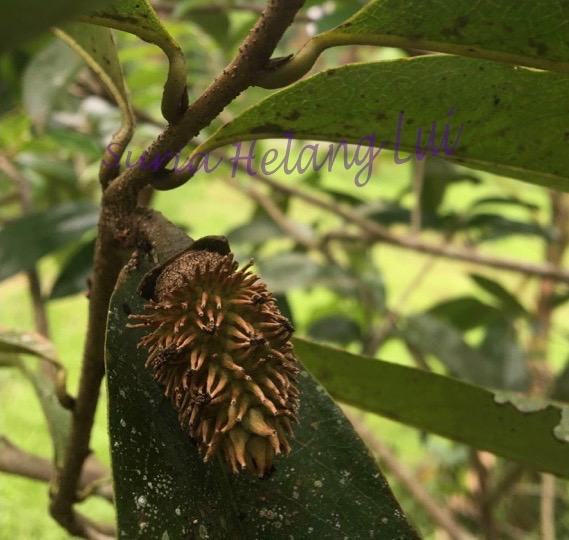
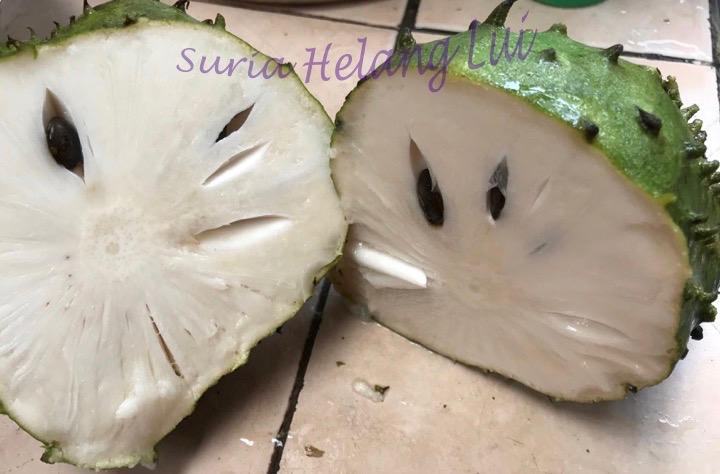 One of the more expensive local fruits we have is the Durian Belanda. Both the fruit and the leaves have good nutritional and therapeutic values. I have been growing the trees for about 7 years now and to date and currently we have 8 trees of various ages ranging from 3 years to 5 years. Many have asked me many different questions hence this article covers my experience and each growers experience can be different.
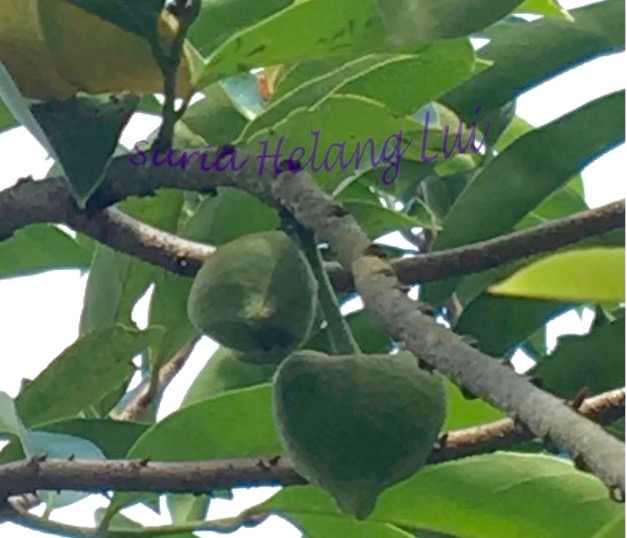 order to ensure that we have the necessary
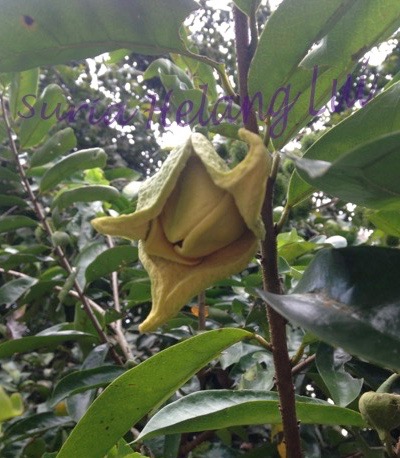 An interesting aspect of the soursop flower is that it blooms at night hence pollination occurs at night. Once the outer petals are open (as in the picture), it will bloom that night. At the farm, our environment encourages night insects as well as there is often night breezes which contribute to a good pollination rate. We do not hand pollinate.The presence of wind and night insects is important to increase the success of pollination. The degree of success of the pollination will also affect the fruit size and shape.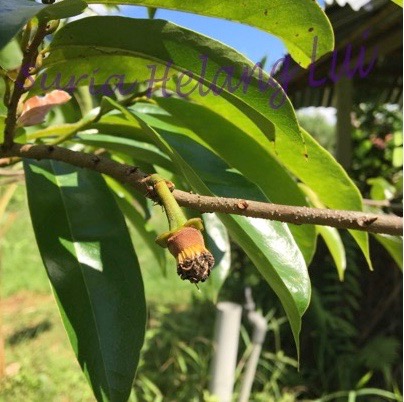

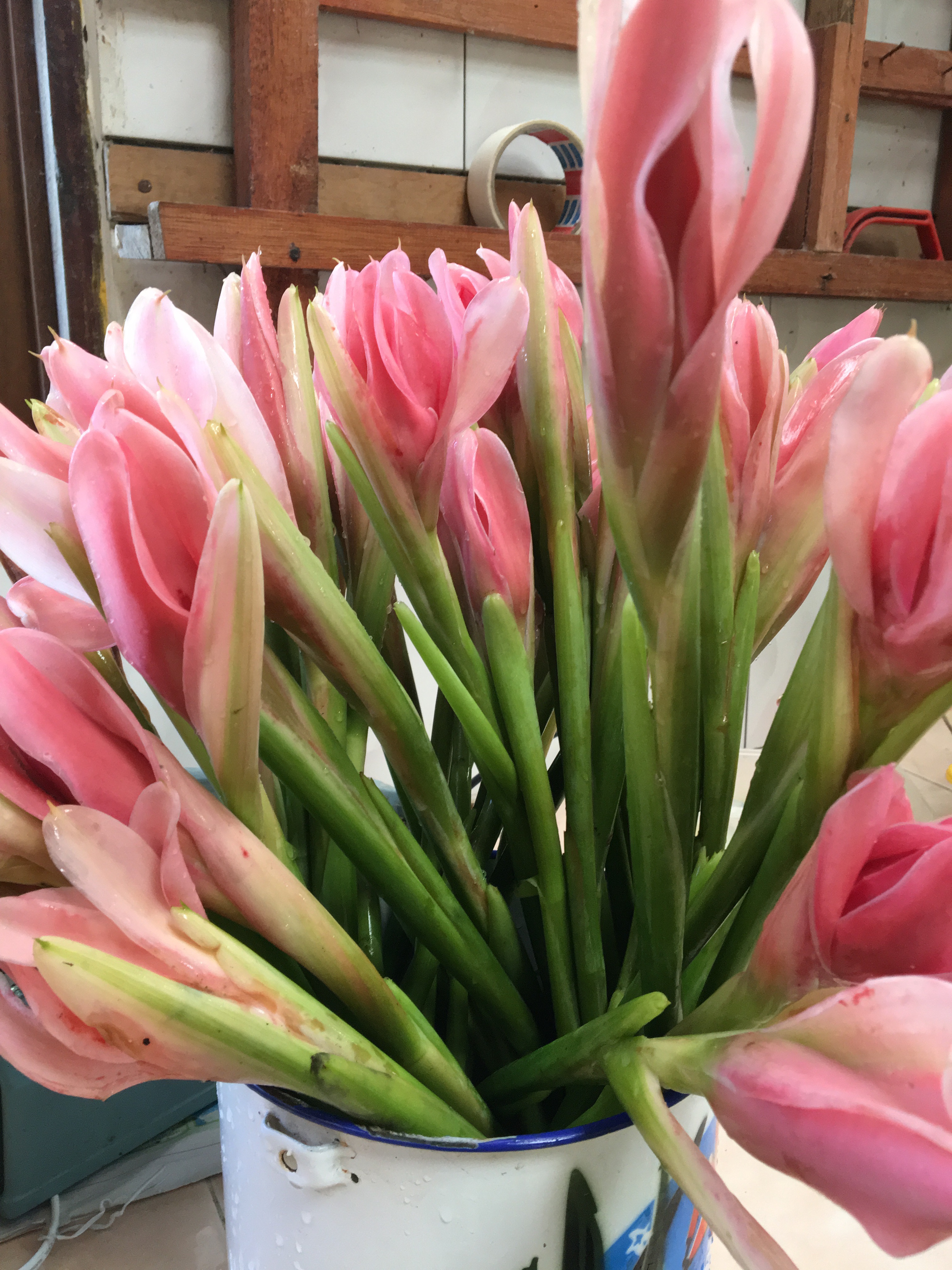 are a few colours – red, white and pink – with variation in shades dependent of soil and nutrients. I have found that there are several factors in having a healthy torch ginger plant and having it flower. The first factor is space. This plant needs room to spread as the leaves and flowers grow on individual stalks/stems from the rhizome. Hence in order to have more flowers, the rhizome needs to be able to grow horizontally from which the stems/stalks will emerge.
 , decades or even longer, of natural decomposition of natural organic matter being added to the soil, hence this is the type of optimum soil condition. Hence, it doesn’t do well in heavy clay soil. You can always improve the soil condition by adding sand as well as organic matter.
 Being flowers, there is a limited time before it decays and becomes no longer consumable. The best way that I have found to retain all the flavour and nutrients is to dehydrate them. I do not sun-dry them or expose them to the open air surroundings as I do not want it to be contaminated not make the drying process weather-dependent. The petals are separated before placing them in a dehydrator to dry. This way, it can last for at least 6 months and if stored correctly, longer. For the purposes of dehydrating, I use full-bloomed flowers – the stage before it starts forming the seed pods. The flavour is highest at this time. It can be stored in air-tight containers at room temperature and be readily available for the laksa, asam pedas and many other dishes. You can also add the dehydrated petals to your hot bath water instead of the fresh petals.
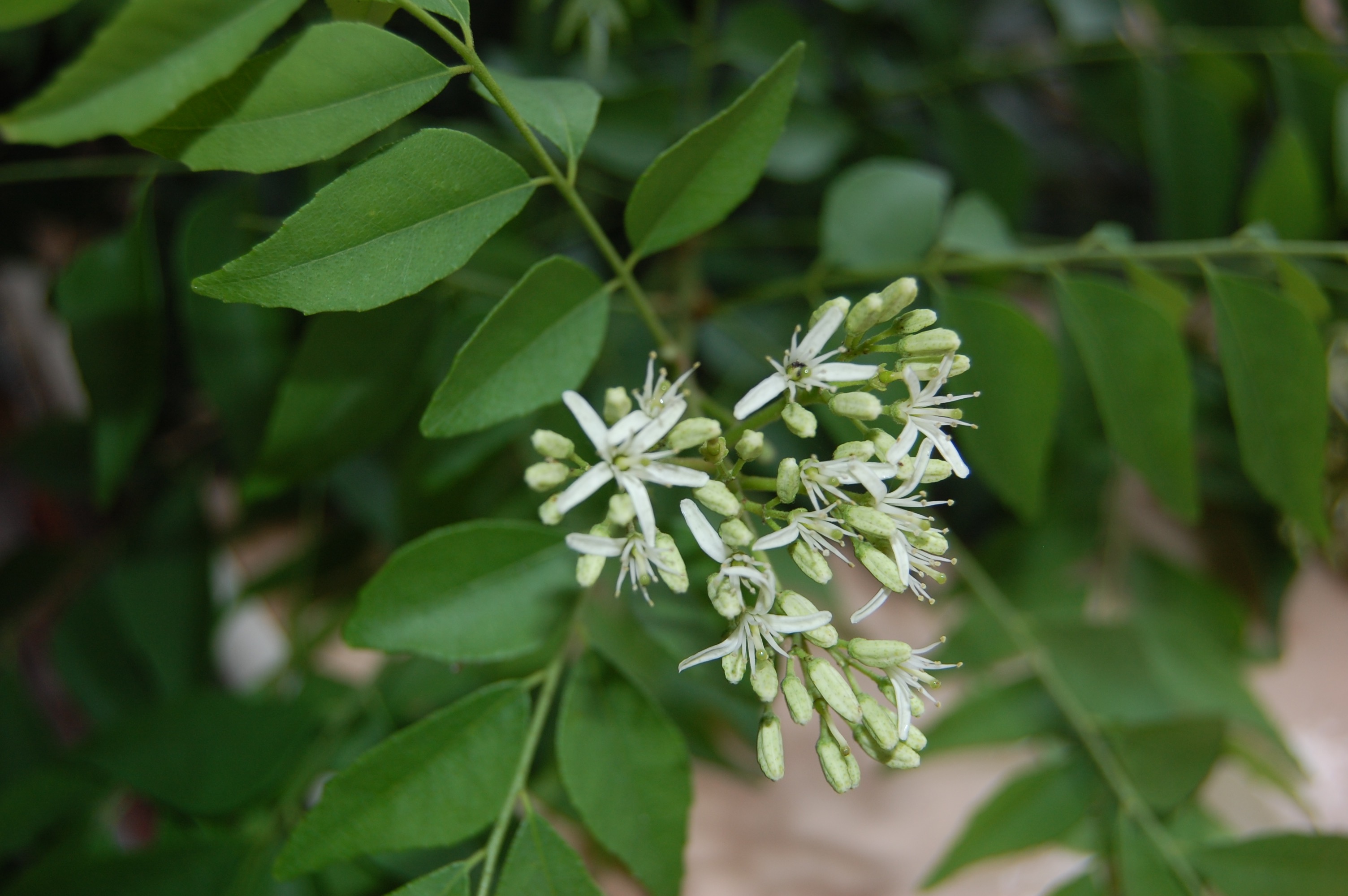 l curry leaves are added to it. To make fried chicken tastier, try adding a few curry leaves to to the frying oil so the aroma and taste gets infused into the chicken. But did you know that the young shoots of the curry leaves can be eaten as ulam or added into salads? You can also infuse edible oil with dehydrated curry leaves and have the aroma in taste in it which you can then use to create other dishes.
 store and have readily available as well as making it easy to transport. We have turned it into a product within our dehydrated herbal range. It is packed in a resealable pouch making it easy to transport as well as store. Each pack is RM 15 and available via mail order.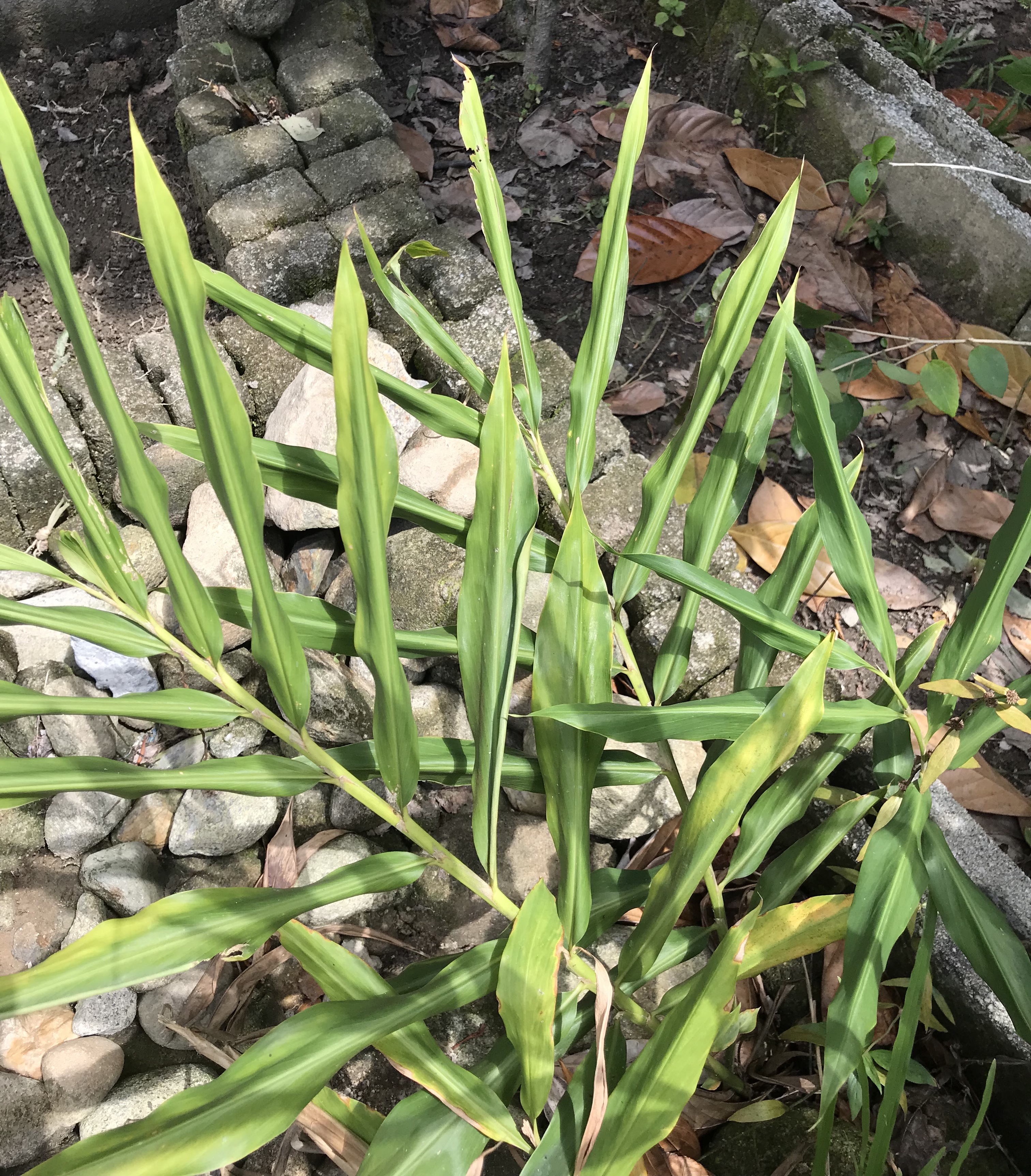
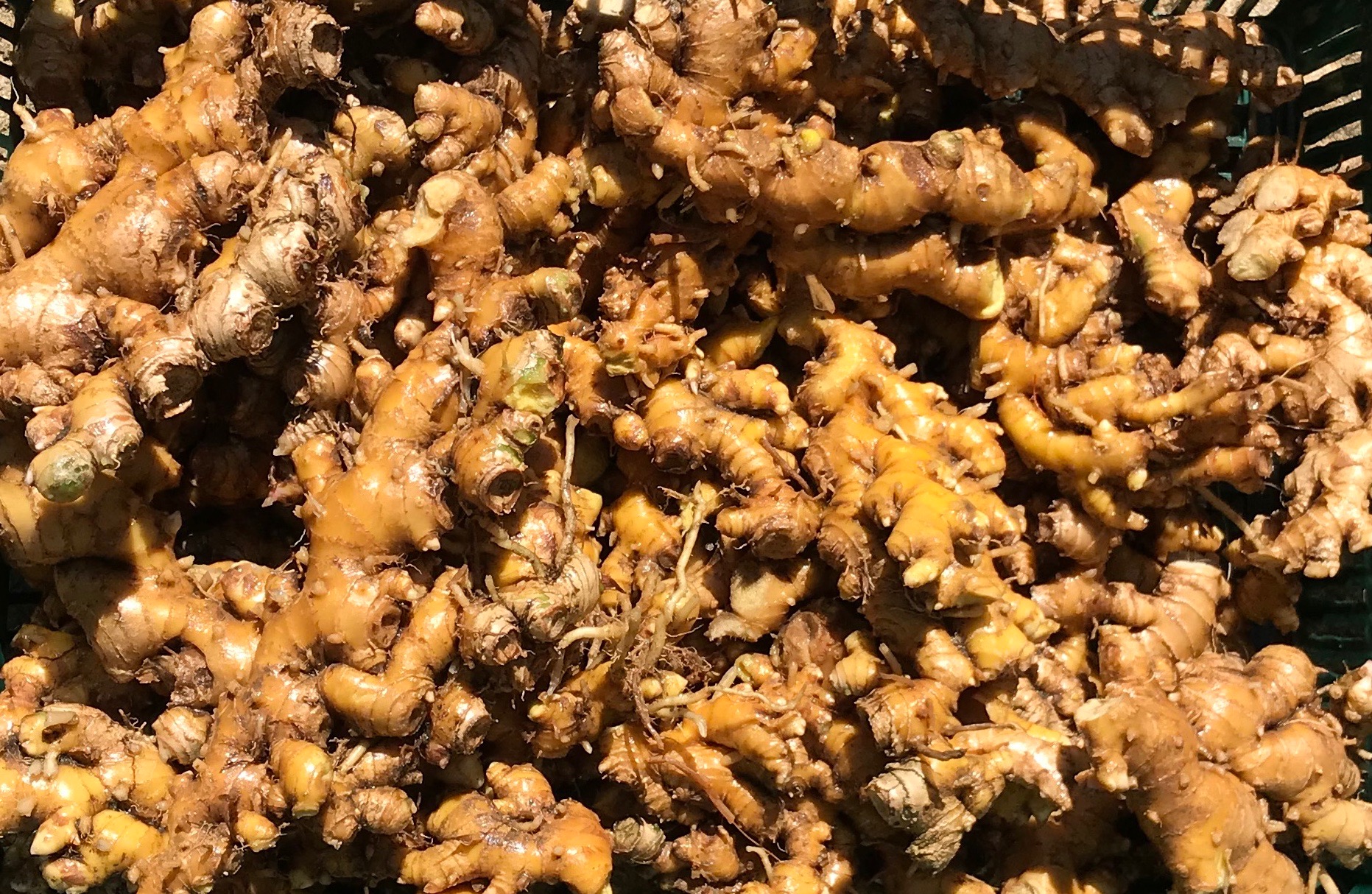 The outer skin is reddish-brown with the flesh a cream color. The flesh has a less pungent ginger aroma. As with many of my rhizomes, it is not possible for me to consume them all when it is harvested so I will dehydrate them and convert them to powder form,retaining maximum nutrients possible, enabling me to store it for a longer period of time and available for use at any time. What is interesting is when you dehydrate the finger and mill them to a powder, the resulting color is a pale slightly green-yellow.
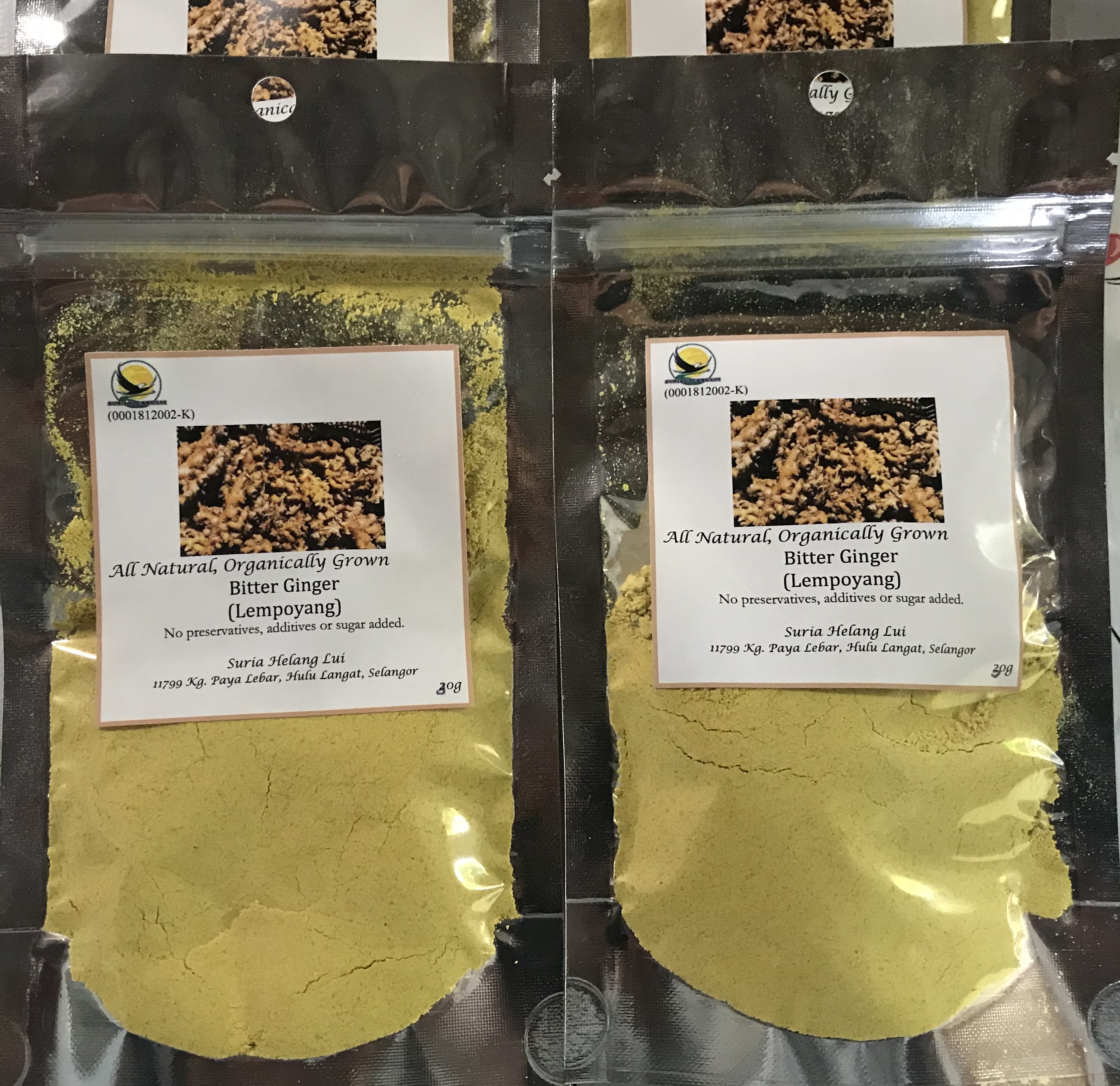 (Bitter ginger), a new addition to our product line and will continue to grow them. It is packed in packs of 30gm of pure bitter ginger with no additives or preservatives added, As with our other products, it is produced from bitter ginger grown organically at our farm. It is available via mail order.
 Pisang Emas is often sought after as THE banana to eat raw here in Malaysia. The size and taste makes it a great choice to add to your breakfast, either on its own or sliced to add to your bowl of cereal or simply pan-roasted. Often, sellers claim that they are selling pisang Emas when it is actually pisang lemak manis to make it more marketable. Often, the buyer doesn’t know but is only aware that Pisang Emas is great so when they are told it is Pisang Emas, they buy it and then continue to think that what they bought is Pisang Emas when it is something else. They then tell others that is Pisang Emas and the misinformation continues. This really bugs me……hahahaha…..
 So what is Pisang Emas. First, they are not big with the size being under 6cm in length. We don’t normally go to the market and bring a measuring tape or ruler, so how do we measure? A simple way is to compare it with you pinky finger – you can measure your pinky finger and just remember whether it is 6cm or less.
 Once peeled, the fruit itself has a cream yellow exterior with a golden yellow centre. As you can see in the picture, when you slice the fruit, it is all yellow with the golden yellow centre a reflection of its name. No other local banana has this golden yellow centre. It has a very sweet taste and the sweetness tastes like honey.
